





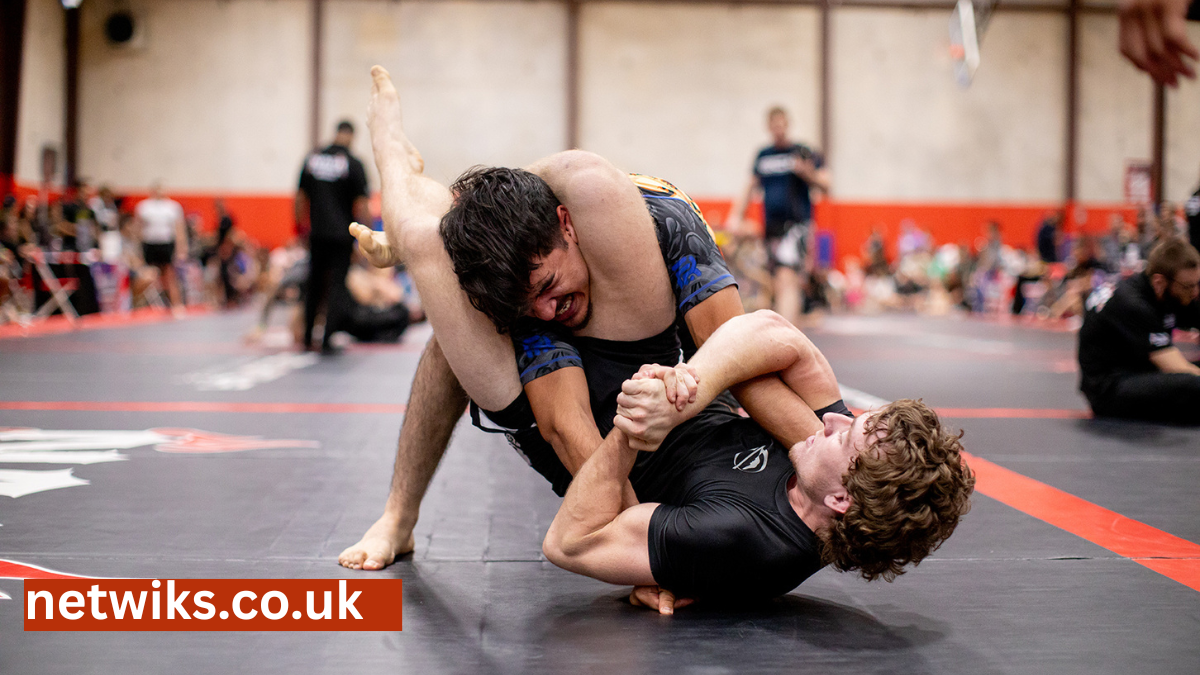
The triangle choke is one of the most iconic and effective submissions in grappling-based martial arts such as Brazilian Jiu-Jitsu (BJJ), MMA, and submission wrestling. It uses the legs to trap an opponent’s neck and one arm, creating a powerful choke that restricts blood flow to the brain. When applied correctly, it can force an opponent to submit quickly, making it a favorite technique among both beginners and elite fighters.
What makes the triangle choke especially valuable is its versatility. It can be executed from multiple positions, most commonly from the guard, where a fighter is on their back but still able to control and attack an opponent. This makes it a highly practical technique for turning a defensive position into an offensive one.
Beyond its effectiveness, the triangle choke also teaches key grappling principles such as leverage, angle control, and timing. It is not a strength-based technique but rather a precision-based submission, making it accessible to practitioners of all sizes and athletic levels.
Anatomy and Mechanics of the Triangle Choke
At its core, the triangle choke works by forming a triangular shape with the legs around the opponent’s neck and one arm. One leg cuts across the neck while the other locks behind the knee, forming a figure-four configuration. This structure allows the practitioner to apply pressure that restricts carotid blood flow.
The effectiveness of the triangle choke depends heavily on body positioning. Proper hip movement is essential to adjust the angle and tighten the choke. Without correct alignment, the opponent can often posture up or escape before the submission is fully secured.
Another important factor is isolating one arm. By trapping one arm inside the choke while leaving the other outside, the attacker ensures that the opponent cannot effectively defend both sides of the neck. This imbalance creates the opportunity to apply finishing pressure safely and efficiently.
Step-by-Step Execution of the Triangle Choke
The triangle choke often begins from the closed guard position. The first step is controlling the opponent’s posture, preventing them from sitting upright or striking effectively. Breaking posture creates the opening needed to isolate one arm and begin the setup.
Once control is established, one arm is pulled across the body while the attacker brings a leg over the opponent’s shoulder and neck. This is the beginning of the triangle formation. The second leg is then used to lock the position, creating the figure-four shape that defines the submission.
The finishing stage requires angle adjustment. The attacker typically shifts their hips to one side to tighten the choke and increase pressure. Pulling the opponent’s head down while lifting the hips adds additional compression, often forcing a tap when executed correctly.
Triangle Choke Setups and Variations
The triangle choke can be set up in many creative ways, making it one of the most dynamic submissions in grappling. The most common setup is from closed guard, where control is already established and transitions are easier to manage.
Advanced practitioners often use transitions from armbar attempts to enter a triangle choke. When an opponent defends an armbar by pulling their arm out, it often creates an opening for the triangle instead. This chaining of submissions increases effectiveness and unpredictability.
Other variations include flying triangles, where the attacker jumps into position during a scramble, and triangles from open guard or spider guard positions. These variations allow fighters to attack from unexpected angles, keeping opponents constantly defensive and off balance.
Defensive Strategies and Escapes
Defending against the triangle choke starts with posture control. Keeping the head up and maintaining strong posture makes it harder for an opponent to break alignment and set up the choke. Proper arm positioning also reduces the chance of being isolated.
If caught in a triangle, one of the most common escapes is the stack defense, where the defender drives forward to compress the attacker’s hips and reduce space. This makes it more difficult for the choke to tighten effectively.
Another escape involves creating posture and re-aligning the trapped arm. By standing or posturing up, the defender can sometimes relieve pressure and open a pathway to escape. However, timing is critical, as late reactions often result in a tight submission.
Training Methods to Improve Triangle Choke Effectiveness
Improving the triangle choke requires consistent drilling and repetition. Practicing the movement slowly helps build muscle memory and ensures correct positioning under pressure. Repetition also improves timing, which is crucial in live sparring situations.
Positional sparring is another valuable training method. Starting from guard and focusing only on triangle attempts allows practitioners to refine setups against resisting partners. This bridges the gap between drilling and real competition.
Flexibility and hip mobility exercises also play a key role. Since the triangle choke relies heavily on leg positioning, improved flexibility allows for tighter angles and better control, increasing overall submission success rates.
Triangle Choke in MMA and Competition
In mixed martial arts, the triangle choke remains a highly effective submission due to its ability to finish fights quickly. Many professional fighters have used it successfully when transitioning from striking exchanges to ground control.
One of the reasons it works so well in MMA is that opponents often extend their arms while striking or defending takedowns, unintentionally creating openings for triangle setups. Once on the ground, even a small mistake can lead to a tight submission.
However, MMA also introduces challenges such as strikes and sweat, which can make grip and control more difficult. This requires fighters to adapt their setups and focus more on timing and positional awareness rather than static control.
Common Mistakes and How to Fix Them
One of the most common mistakes in executing the triangle choke is failing to control the angle. Without proper hip movement, the choke remains loose and ineffective, allowing opponents to escape easily.
Another frequent issue is poor arm isolation. If both arms are not properly controlled, the opponent can defend the choke more effectively, reducing the pressure significantly. Proper control must be established early in the setup phase.
Many beginners also rely too much on squeezing with leg strength rather than positioning. The triangle choke is a leverage-based technique, and correct alignment is far more important than physical strength alone.
Advanced Triangle Choke Concepts
At higher levels, the triangle choke becomes part of a larger submission system. Fighters often chain it with armbars and omoplatas, creating continuous attacking sequences that are difficult to defend.
Advanced practitioners also use movement and scrambles to create unexpected entry points. Instead of waiting for a perfect setup, they capitalize on small mistakes and transitions during live grappling exchanges.
Another advanced concept involves breaking strong posture opponents by using grips, off-balancing techniques, and constant angle adjustments. This allows the attacker to force openings even against highly defensive opponents.
Conclusion
The triangle choke is a cornerstone submission in grappling arts, combining efficiency, versatility, and technical depth. It teaches essential principles such as leverage, positioning, and timing, making it valuable for practitioners at every level.
Mastering the triangle choke requires consistent practice, attention to detail, and an understanding of both offense and defense. When properly developed, it becomes a powerful tool that can end matches quickly and decisively.