





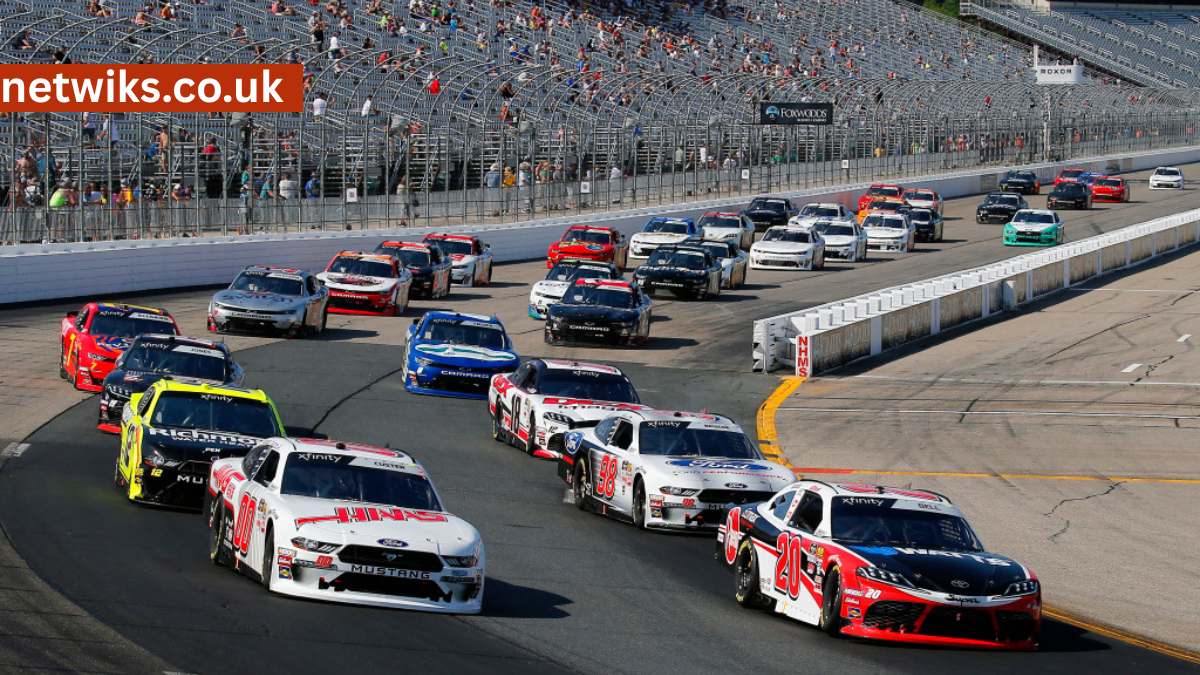
When people ask “how fast do NASCAR cars go”, they are usually imagining roaring engines, blistering straightaways, and cars nearly glued together at extreme speeds. NASCAR is one of the most exciting motorsports in the world, where speed is not just about raw numbers but also about strategy, aerodynamics, and precision driving. Unlike regular road vehicles, NASCAR stock cars are engineered specifically for high-speed oval racing, allowing them to sustain speeds that most production cars could never safely reach.
At its core, NASCAR speed is shaped by a combination of engineering and regulation. Modern NASCAR Cup Series cars are capable of incredible performance, but their speeds vary significantly depending on the type of track, race conditions, and safety restrictions imposed by the organization. On superspeedways like Daytona and Talladega, speeds can exceed 190 mph in qualifying conditions, while shorter tracks may see much lower average speeds due to tight turns and frequent braking. Understanding NASCAR speed requires looking beyond just “top speed” and exploring how race conditions influence real performance on the track.
Understanding NASCAR Speed Basics
To truly understand how fast do NASCAR cars go, it is important to distinguish between top speed and average racing speed. Top speed refers to the fastest velocity a car can reach under ideal conditions, typically on long straightaways or during qualifying laps. Average speed, however, reflects the overall pace during an entire race, including turns, pit stops, and caution periods. This means a car might reach nearly 200 mph at times but still finish a race with an average speed closer to 140–160 mph.
Modern NASCAR cars are built with strict regulations that balance performance and safety. The current “Next Gen” NASCAR Cup Series vehicles are designed with improved aerodynamics, symmetrical chassis, and standardized parts. These changes help reduce extreme speed differences between teams while keeping competition close. In earlier decades, NASCAR cars could reach even higher speeds, but safety concerns led to the introduction of restrictor plates and other speed-limiting technologies on certain tracks.
Engine power also plays a crucial role. NASCAR cars are powered by naturally aspirated V8 engines that produce around 670–750 horsepower depending on the track configuration. While this may seem modest compared to supercars or Formula 1 engines, NASCAR vehicles are heavier and built for endurance racing, meaning they must balance speed with durability over long distances.
Average Speeds in NASCAR Races
When analyzing how fast do NASCAR cars go, average race speed provides the most realistic picture of what happens during competition. On superspeedways like Daytona International Speedway and Talladega Superspeedway, average race speeds typically range from 140 to 160 mph. However, these numbers can fluctuate based on race incidents such as crashes, caution flags, and weather conditions.
Short tracks such as Bristol Motor Speedway or Martinsville Speedway produce much lower average speeds, often between 70 and 100 mph. These tracks feature tight corners and constant braking, making acceleration and handling more important than outright speed. Drivers spend more time navigating traffic and less time at full throttle, which significantly reduces the overall average pace.
Intermediate tracks, such as Charlotte Motor Speedway or Kansas Speedway, offer a balance between speed and technical driving. Here, average speeds generally fall between 130 and 170 mph depending on race conditions. These tracks highlight the versatility of NASCAR cars, which must adapt to both straight-line speed and cornering stability.
Top Speeds NASCAR Cars Can Reach
The question of how fast do NASCAR cars go at maximum speed is most exciting on superspeedways. In qualifying sessions at tracks like Talladega and Daytona, NASCAR cars can reach speeds of 190–200 mph under ideal conditions. These speeds are achieved with the help of drafting, where cars closely follow one another to reduce aerodynamic drag and gain extra momentum.
Historically, NASCAR speeds were even higher before safety regulations were introduced. In the late 1980s and early 1990s, cars occasionally exceeded 210 mph before restrictor plates were implemented to reduce the risk of dangerous crashes. Today, NASCAR prioritizes controlled speed to ensure driver safety while still maintaining thrilling close-pack racing.
Drafting plays a major role in achieving high speeds. When multiple cars line up closely, they reduce air resistance for each other, allowing the lead and trailing cars to move faster than they could alone. This technique is essential on superspeedways and is a defining feature of modern NASCAR racing strategy.
Different Tracks, Different Speeds
NASCAR speed is heavily influenced by track design. Superspeedways are built for maximum velocity, featuring long straightaways and wide turns that allow sustained high-speed racing. These tracks produce the fastest NASCAR speeds, often exceeding 190 mph during peak performance moments.
Intermediate tracks, typically measuring 1 to 2 miles in length, require a balance between speed and handling. Cars must slow down for corners while still maintaining strong acceleration on exits. This creates dynamic racing where speed varies significantly throughout each lap.
Short tracks are the most technical and slowest in terms of speed. With tight corners and frequent traffic, drivers rely more on precision and timing than pure speed. Finally, road courses introduce a completely different challenge, requiring braking, shifting, and cornering skills that reduce top speeds significantly but increase technical difficulty.
NASCAR vs Other Racing Series
To better understand how fast do NASCAR cars go, it helps to compare them with other major racing series. Formula 1 cars generally reach higher top speeds, often exceeding 210 mph in certain conditions, thanks to their lightweight design and advanced aerodynamics. IndyCar vehicles also achieve similar speeds on oval tracks.
However, NASCAR differs fundamentally in philosophy. While Formula 1 focuses on precision engineering and road-course performance, NASCAR emphasizes close racing, durability, and strategic drafting. NASCAR cars are heavier, more standardized, and designed to endure long oval races with frequent contact between competitors.
This makes NASCAR speed less about absolute maximum velocity and more about sustained performance, racecraft, and positioning. The result is a racing style that prioritizes excitement and unpredictability over pure speed records.
Factors That Affect NASCAR Speed & Evolution Over Time
Several factors influence how fast do NASCAR cars go during any given race. Aerodynamics plays a major role, as even small changes in airflow can significantly impact speed. Tire grip and wear also affect how fast drivers can safely push their cars, especially during long runs.
Weather conditions such as temperature, humidity, and wind can further alter performance. Hot tracks reduce tire grip, while cooler conditions often allow for faster lap times. Driver skill is another critical factor, especially when managing drafting packs and maintaining control at high speeds.
Over time, NASCAR speed has evolved due to technological improvements and stricter safety regulations. Early NASCAR races featured much less regulation, allowing extremely high speeds but also increasing danger. Today’s Next Gen cars are designed to maintain competitive racing while ensuring driver safety remains a top priority.
Conclusion
So, how fast do NASCAR cars go? The answer depends on many factors, including track type, race conditions, and regulations. While top speeds can reach nearly 200 mph on superspeedways, average race speeds are usually much lower due to strategy, caution periods, and track design. NASCAR is not just about raw speed—it is a carefully balanced sport where engineering, skill, and strategy come together to create intense, high-stakes racing.
Ultimately, NASCAR speed is best understood as a spectrum rather than a single number. From slow, technical short tracks to blazing-fast superspeedways, every race presents a different speed challenge, making NASCAR one of the most dynamic and thrilling motorsports in the world.