





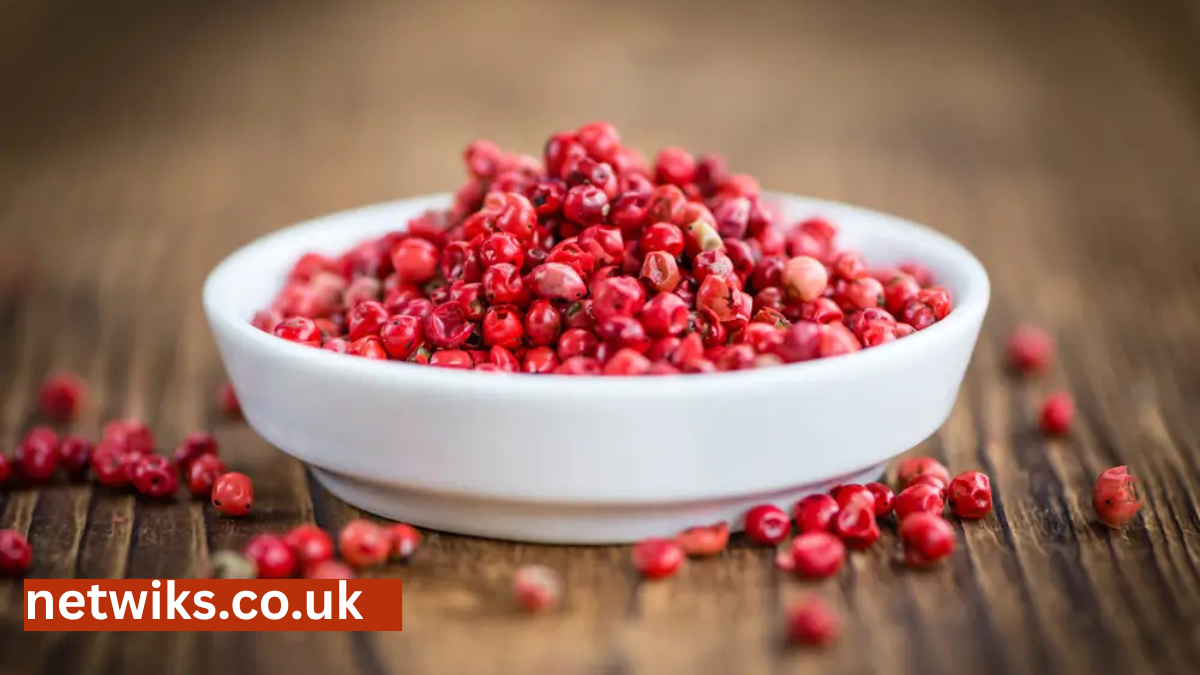
Pink peppercorn is a striking spice that has quietly made its way from traditional South American kitchens into modern gourmet dining around the world. Despite its name, it is not a true peppercorn like black or white pepper. Instead, it comes from the dried berries of the Schinus molle or related species, offering a delicate balance of sweetness, mild heat, and floral aroma. Its vibrant color and subtle flavor make it a favorite among chefs who want to add both visual appeal and complexity to their dishes.
In recent years, pink peppercorn has gained popularity in fine dining, fusion cuisine, and even mixology. Unlike harsher spices, it does not overpower food but enhances it with gentle warmth and fruity undertones. This makes it especially versatile in both savory and sweet recipes. From seafood dishes to desserts and cocktails, pink peppercorn is becoming a modern culinary essential.
This guide explores everything you need to know about pink peppercorn, including its origin, culinary applications, flavor profile, health benefits, and proper usage. Whether you are a home cook or a professional chef, understanding this spice can elevate your cooking in unexpected ways.
What Is Pink Peppercorn?
Pink peppercorn is not derived from the same plant as traditional peppercorns. Instead, it comes from the berries of the Peruvian pepper tree and related species native to South America. These berries are harvested when fully ripe and then dried, resulting in small, pinkish-red husks that resemble peppercorns in shape but differ significantly in flavor and composition.
Unlike black pepper, which delivers a sharp and pungent heat, pink peppercorn offers a softer, more aromatic experience. Its taste is often described as mildly sweet, slightly spicy, and subtly fruity with hints of citrus and pine. This makes it less of a heat source and more of a flavor enhancer. Because of its delicate nature, it is often used as a finishing spice rather than a cooking base ingredient.
Visually, pink peppercorn adds elegance to dishes due to its bright color. Chefs frequently use it to decorate plates, salads, and desserts. However, its appeal goes beyond aesthetics—it introduces a refined complexity that elevates both simple and elaborate recipes.
History and Origin of Pink Peppercorn
The history of pink peppercorn begins in South America, particularly in regions of Peru, Brazil, and Argentina, where the Schinus molle tree grows naturally. Indigenous communities have long used the berries for medicinal purposes, flavoring food, and even making traditional beverages. The plant itself has been valued not only for its culinary uses but also for its resilience in dry climates.
As global trade expanded, European explorers encountered pink peppercorn and introduced it to international markets. Initially, it was used sparingly due to its limited availability and unfamiliar flavor profile. Over time, however, chefs began to appreciate its unique qualities, especially its ability to add complexity without overwhelming heat.
In modern cuisine, pink peppercorn has found a strong place in gourmet kitchens. Its popularity surged with the rise of fusion cooking and interest in global spices. Today, it is commonly featured in high-end restaurants and specialty spice blends, valued for both its flavor and decorative appeal.
Culinary Uses of Pink Peppercorn
Savory Dishes
Pink peppercorn is widely used in savory cooking due to its gentle spice and aromatic profile. It pairs exceptionally well with meats such as chicken, duck, lamb, and seafood. When used in sauces or marinades, it adds depth without overpowering the primary ingredients. Crushed pink peppercorn can also be incorporated into salad dressings or sprinkled over roasted vegetables for a subtle flavor boost.
Chefs often use it as a finishing spice rather than cooking it for long periods. This helps preserve its delicate aroma and prevents bitterness. It is particularly popular in creamy sauces, where its mild heat contrasts beautifully with rich textures.
Sweet Dishes
One of the most surprising uses of pink peppercorn is in desserts. Its fruity undertones make it an excellent pairing with chocolate, berries, and citrus-based sweets. Pastry chefs often infuse it into creams, syrups, and baked goods to create a unique flavor profile that balances sweetness with a hint of spice.
Pink peppercorn also works well in fruit salads, sorbets, and even cheesecakes. Its floral notes enhance the natural flavors of fruits, making desserts more complex and refined.
Beverages and Mixology
In modern mixology, pink peppercorn is gaining attention as a creative ingredient. Bartenders use it to infuse spirits, craft aromatic syrups, and garnish cocktails. It pairs especially well with gin, rum, and tequila-based drinks, adding a fragrant and slightly spicy twist.
It is also used in herbal teas and infused waters, where its light flavor enhances refreshment without bitterness. This versatility makes it a favorite among beverage innovators.
Flavor Profile and Food Pairing Guide
The flavor of pink peppercorn is one of its most distinctive qualities. Unlike black pepper, which is sharp and pungent, pink peppercorn offers a softer, more aromatic experience. It combines mild heat with fruity, floral, and slightly resinous notes, creating a balanced taste that enhances rather than dominates a dish.
It pairs exceptionally well with citrus fruits, vanilla, honey, and herbs such as basil and thyme. In savory dishes, it complements seafood, poultry, and soft cheeses like goat cheese and brie. In sweet applications, it works beautifully with chocolate, strawberries, and tropical fruits.
Cooking methods can influence its flavor intensity. Light crushing releases more aroma, while prolonged cooking may reduce its delicate notes. For best results, it is often added at the end of cooking or used as a garnish.
Health Benefits and Nutritional Value
Pink peppercorn is not just a culinary ingredient; it also offers potential health benefits. It contains antioxidants that help protect the body from oxidative stress. These compounds may support overall wellness and contribute to a balanced diet when used in moderation.
Traditionally, pink peppercorn has been used in herbal remedies for digestive support. Some cultures have used it to aid mild inflammation and improve appetite. While scientific research is still limited, its natural compounds suggest possible anti-inflammatory properties.
It is generally safe for consumption in culinary amounts. However, individuals with sensitivities to similar plants or tree nuts should exercise caution. As with any spice, moderation is key to enjoying its benefits without adverse effects.
How to Store and Use Pink Peppercorn Properly
Proper storage is essential to maintain the flavor and aroma of pink peppercorn. It should be kept in an airtight container away from heat, moisture, and direct sunlight. When stored correctly, it can retain its quality for several months.
Whole pink peppercorns preserve flavor better than ground versions. Grinding them just before use ensures maximum aroma and freshness. A mortar and pestle or spice grinder works best for releasing their essential oils.
It is important to use pink peppercorn at the right stage of cooking. Because it is delicate, adding it too early can diminish its flavor. It is best used as a finishing touch or lightly crushed into dishes just before serving.
Pink Peppercorn in Modern Gastronomy
Modern chefs have embraced pink peppercorn as both a flavor enhancer and a visual element. Its vibrant color makes it ideal for plating and presentation, especially in fine dining environments. It is frequently used in fusion cuisine, blending culinary traditions from Europe, Asia, and Latin America.
Its popularity in gourmet cooking is also tied to its versatility. It can be used in sauces, desserts, beverages, and spice blends without overwhelming other ingredients. This adaptability makes it a valuable tool for culinary experimentation.
As interest in global spices continues to grow, pink peppercorn is expected to remain a staple in innovative kitchens. Its combination of beauty, flavor, and subtle complexity ensures its lasting appeal.
Conclusion
Pink peppercorn is a unique spice that brings together elegance, subtle heat, and aromatic complexity. Unlike traditional peppercorns, it offers a softer flavor profile that enhances both savory and sweet dishes. Its versatility in cooking, baking, and mixology makes it an essential ingredient for anyone looking to elevate their culinary creations.
From its South American origins to its place in modern gourmet cuisine, pink peppercorn has traveled a remarkable journey. Whether used as a finishing spice or a creative ingredient, it continues to inspire chefs and home cooks alike. Exploring its uses can open the door to new flavors and culinary experiences.