




Pulsamento refers to the fundamental idea of a repeating pulse or rhythmic flow that underlies many natural, artistic, and biological systems. At its core, it represents the steady beat or internal movement that gives structure to sound, motion, and even thought. While often associated with music, pulsamento extends far beyond it, influencing how humans perceive time, emotion, and physical existence. It is the invisible thread that connects rhythm in nature, human behavior, and creative expression.
In everyday life, pulsamento can be observed in the beating of the heart, the cycle of breathing, or even the rhythmic alternation of day and night. These repeating patterns help organize experience and create stability within chaos. In creative fields such as music and dance, pulsamento becomes the foundation of timing and flow, allowing artists to communicate emotion through structured rhythm. Understanding pulsamento offers insight into how deeply rhythm is embedded in both nature and human consciousness.
Meaning and Etymology of Pulsamento
The word pulsamento originates from Latin and Italian linguistic roots associated with “pulse,” “beating,” or “throbbing movement.” In its simplest form, pulsamento refers to a repeated rhythmic action that creates a sense of continuity and structure. It is closely connected to the idea of a pulse, which is a consistent and measurable beat that can be felt or perceived across different systems.
Over time, pulsamento has evolved into a conceptual term used in music theory, biology, and even philosophy. In music, it represents the underlying beat that guides rhythm and tempo. In a broader sense, it symbolizes any recurring cycle that provides order and predictability. This includes biological rhythms such as heartbeats and breathing patterns, as well as abstract patterns like emotional cycles and cognitive processing.
Understanding the meaning of pulsamento helps reveal its universal importance. It is not just a technical term but a conceptual bridge between physical sensation and structured time. Whether in language, science, or art, pulsamento reflects the human need to find rhythm and meaning in repetition.
Pulsamento in Music Theory and Rhythm
In music, pulsamento is one of the most essential elements because it establishes the foundation of rhythm and timing. Every musical composition relies on a steady pulse that musicians follow to stay in sync. This pulse can be fast or slow, simple or complex, but it always provides structure. Without pulsamento, music would lose its sense of direction and coherence.
Musicians experience pulsamento both externally and internally. Externally, it is heard through instruments like drums or metronomes that keep a steady beat. Internally, performers develop a “musical sense of time,” allowing them to feel rhythm even in silence. This internalized pulsamento is what enables improvisation in jazz or emotional expression in classical performances. It becomes a guiding force that connects technical precision with artistic freedom.
Different musical genres use pulsamento in unique ways. In electronic music, it is often mechanical and consistent, while in jazz or folk traditions, it may fluctuate naturally for expressive effect. Conductors rely on pulsamento to coordinate entire orchestras, ensuring unity among diverse instruments. Ultimately, pulsamento is the invisible heartbeat of music, shaping how sound is organized and experienced.
Pulsamento in Biology and Human Physiology
Beyond music, pulsamento plays a critical role in human biology. The most direct example is the heartbeat, which represents a natural rhythmic pulse that sustains life. This biological pulsation ensures that oxygen and nutrients circulate throughout the body, maintaining essential functions. Without this rhythmic system, the human body could not survive.
Breathing is another clear expression of pulsamento. The inhalation and exhalation cycle follows a predictable rhythm that helps regulate oxygen intake and emotional balance. Even the nervous system operates through rhythmic electrical signals, allowing communication between the brain and the rest of the body. These internal cycles demonstrate that pulsamento is deeply embedded in human physiology.
Additionally, circadian rhythms show how pulsamento extends into daily life. These 24-hour cycles regulate sleep, wakefulness, and hormone production. When these rhythms are disrupted, it can lead to stress, fatigue, and health issues. This shows that pulsamento is not only a structural principle but also a vital factor in maintaining physical and mental well-being.
Pulsamento in Art, Literature, and Emotional Expression
In the world of art and literature, pulsamento appears as rhythm, repetition, and flow. Writers use rhythmic sentence structures, repetition of words, and carefully timed pauses to create emotional depth. Poetry, in particular, relies heavily on pulsamento, where meter and cadence guide the reader’s emotional response. This rhythmic structure transforms language into a musical experience.
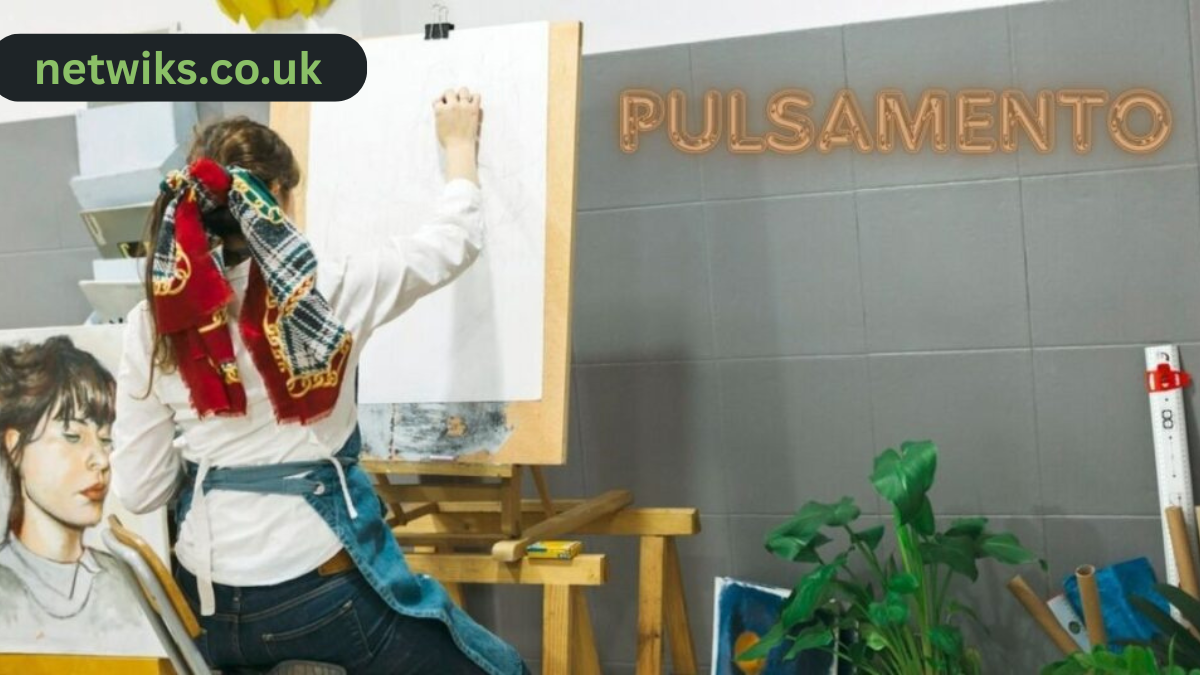
Visual arts also reflect pulsamento through patterns, symmetry, and repetition of shapes or colors. These visual rhythms guide the viewer’s eye and create harmony within a composition. Artists often use pulsamento to evoke emotional responses, whether through calm repetition or intense, irregular patterns. The presence of rhythm in visual design helps create balance and meaning.
Emotionally, pulsamento connects deeply with human experience. Feelings often follow rhythmic patterns—rising, falling, and repeating over time. Artists use this understanding to mirror emotional cycles in their work, making it more relatable and impactful. Whether through literature, painting, or performance, pulsamento becomes a powerful tool for expressing the complexity of human emotion.
Techniques to Recognize and Develop Pulsamento
Developing an awareness of pulsamento begins with listening and observation. In music, practicing with a metronome or tapping along to a beat helps strengthen internal timing. Musicians often train their sense of rhythm by repeating exercises that emphasize consistency and precision. Over time, this builds a natural ability to feel the pulse of music without external guidance.
Breathing exercises also help individuals connect with pulsamento on a physical level. Slow, controlled breathing encourages awareness of natural rhythms within the body. Meditation and mindfulness practices further enhance this connection, allowing individuals to become more attuned to subtle rhythmic patterns in thought and sensation. These practices are not limited to musicians but can benefit anyone seeking greater focus and balance.
Listening exercises are equally important. Paying attention to rhythm in everyday sounds—such as footsteps, rain, or speech patterns—helps sharpen perception of pulsamento. This awareness extends into creative fields, improving timing in dance, music, and public speaking. By consciously engaging with rhythm, individuals can develop a deeper understanding of both external and internal pulsamento.
Modern Applications and Cultural Relevance of Pulsamento
In modern times, pulsamento plays a major role in digital music production and technology. Electronic music relies heavily on programmed beats that define structure and energy. Producers manipulate pulsamento to create complex rhythmic patterns that drive contemporary soundscapes. Artificial intelligence is also being used to analyze and generate rhythmic structures, expanding creative possibilities.
Beyond music, pulsamento is used in fitness and sports training. Athletes rely on rhythmic timing for movement efficiency, coordination, and endurance. Dance training also depends on precise understanding of pulse and rhythm, allowing performers to move in sync with music and each other. Even psychological studies show that rhythm can influence mood, focus, and cognitive performance.
Culturally, pulsamento appears in traditions around the world. From drumming rituals to folk dances, rhythm serves as a universal language of connection. These cultural expressions highlight the shared human experience of rhythm and repetition. In a rapidly changing digital world, pulsamento remains a grounding force that links tradition, innovation, and human identity.
Conclusion
Pulsamento is far more than a musical concept; it is a universal principle that shapes life, art, and human experience. From the steady beat of the heart to the structured flow of music and language, pulsamento provides rhythm and order in both physical and abstract systems. It connects science with creativity, showing that rhythm is a fundamental part of existence.
By understanding pulsamento, we gain deeper awareness of how patterns influence perception, emotion, and behavior. Whether in biology, art, or technology, rhythm continues to define how we interact with the world. Recognizing pulsamento in everyday life can enhance creativity, focus, and emotional balance.