

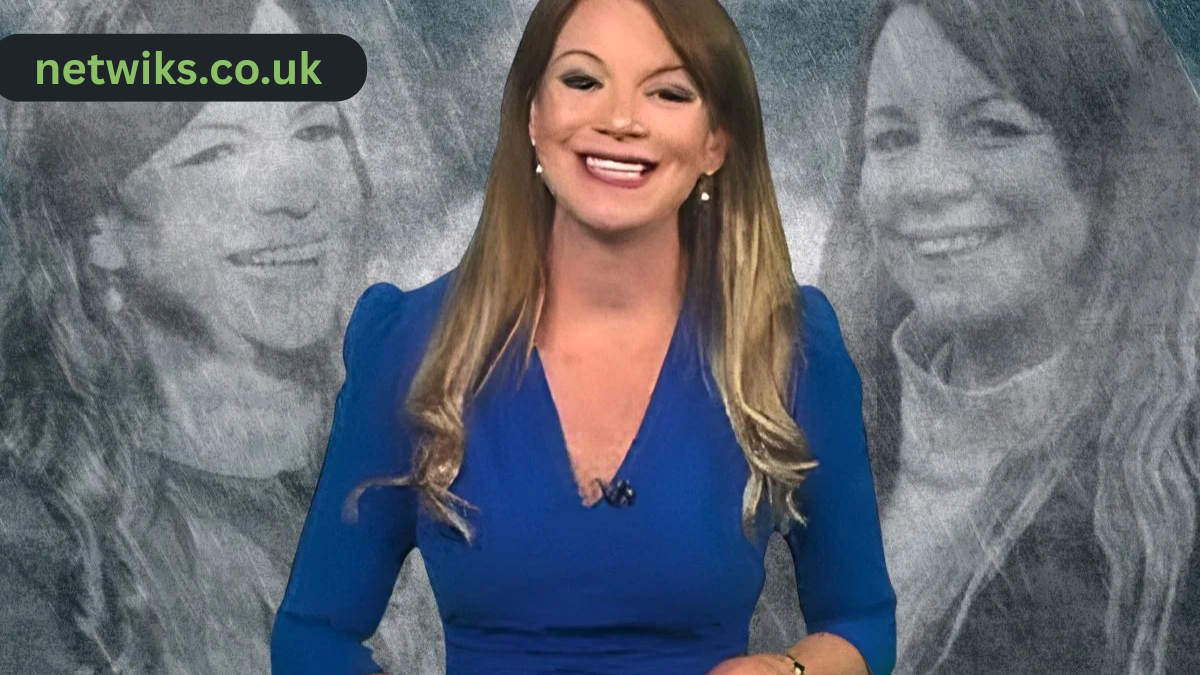
Elizabeth Rizzini Disability is a well-known British weather presenter, and over time, her name has increasingly appeared in online search queries connected to personal health and disability-related questions. This has led many readers to wonder whether there is any truth behind these searches or whether they are simply the result of internet speculation. In reality, such trends are not uncommon for public figures, especially those who regularly appear on television Elizabeth Rizzini Disability.
In today’s digital environment, even a small amount of curiosity can quickly turn into widespread speculation. Search engines, social media platforms, and gossip-style websites often amplify minor questions into trending topics, regardless of whether there is any factual basis. As a result, phrases like “Elizabeth Rizzini disability” begin circulating widely, even when no verified information exists.
It is important to understand that curiosity about public figures is natural, but it should always be balanced with respect for privacy and accuracy. This article aims to clarify what is known, what is not confirmed, and why such topics often gain attention online.
Who Is Elizabeth Rizzini? A Brief Background
Elizabeth Rizzini is a professional weather presenter associated with British broadcasting, where she has built a reputation for delivering accurate and engaging weather forecasts. She has become a familiar face to viewers who regularly follow regional and national weather updates. Her role requires strong communication skills, scientific understanding, and the ability to interpret complex meteorological data for a general audience.
Her career in broadcasting is the primary reason she is recognized by the public. Over the years, she has contributed to weather reporting across various platforms, earning recognition for her professionalism and clarity on screen. This visibility naturally places her in the public eye, where interest in her life extends beyond her professional work.
However, like many media personalities, Elizabeth Rizzini maintains a distinction between her public role and her private life. While audiences see her regularly on television, personal details such as health, family matters, or medical history are not typically shared unless voluntarily disclosed. This boundary is important for maintaining privacy and professionalism in media careers.
Origin of Disability-Related Rumors and Online Speculation
The rise of search terms such as “Elizabeth Rizzini disability” is not necessarily based on verified facts, but rather on how information spreads online. In many cases, these types of queries originate from curiosity-driven searches that are later amplified by algorithms. Once a topic begins trending, it can quickly gain momentum, even without credible sources behind it.
Social media platforms also play a significant role in spreading speculation. A single comment, post, or discussion thread can lead others to assume there is more to the story than what is actually known. Over time, repeated exposure to such content creates the impression that there may be truth behind the claims, even when no evidence supports them.
Additionally, SEO-driven websites sometimes contribute to confusion by publishing content based on trending keywords rather than verified facts. This can blur the line between genuine reporting and speculative writing, making it difficult for readers to separate truth from rumor elizabeth rizzini disability.
In the case of elizabeth rizzini disability, there is no confirmed or officially reported information regarding any disability. The online attention appears to be driven primarily by search behavior rather than factual disclosures.
What Is Actually Known About elizabeth rizzini disability Health
When discussing public figures, it is essential to rely only on verified and credible sources. In the case of elizabeth rizzini disability, there is no publicly available or confirmed information indicating that she has a disability or any related medical condition. She has not made any public statements about such matters, nor have reputable media outlets reported on it elizabeth rizzini disability.
Health-related information is considered personal and sensitive, even for individuals in the public eye. Many broadcasters and journalists choose not to disclose medical details unless it is directly relevant to their professional role or shared voluntarily. This is a standard practice across the media industry and helps maintain personal boundaries elizabeth rizzini disability.
It is also important to recognize that absence of information does not imply hidden facts. In this context, the lack of any verified statement simply means that there is no basis for claims regarding disability. Responsible reporting requires acknowledging this distinction clearly.
Therefore, any suggestions or assumptions about elizabeth rizzini disability health condition fall into the category of speculation rather than confirmed information.
Media Responsibility and the Spread of Misinformation
The internet has made information more accessible than ever, but it has also increased the spread of misinformation. In cases involving public figures, headlines are sometimes written in a way that encourages clicks rather than accuracy. This can lead to confusion among readers who assume that repeated claims must be true.
Media responsibility plays a crucial role in preventing such misunderstandings. Reputable journalism relies on verified facts, official statements, and reliable sources before publishing sensitive information. Unfortunately, not all online content follows these standards, especially on websites designed primarily for traffic generation.
Once misinformation is published, it can spread quickly and become difficult to correct. Search engines may continue to display outdated or misleading content, reinforcing false assumptions. This is why readers are encouraged to critically evaluate sources and look for credible confirmation before accepting health-related claims about any individual.
In the case of Elizabeth Rizzini, responsible reporting confirms that there is no verified evidence supporting disability-related claims.
Why Disability Speculation Happens About Public Figures
Public figures often attract curiosity about their personal lives simply because they are frequently seen in the media. Viewers develop familiarity with their appearance and behavior, which can sometimes lead to unnecessary speculation when anything seems unfamiliar or different.
Another contributing factor is the internet’s tendency to fill gaps in information with assumptions. When people search for answers and find limited or unclear information, speculation often replaces fact. This is especially true in cases where no official statements exist.
Additionally, modern digital culture rewards attention-grabbing content. Articles or posts that hint at hidden truths tend to receive more clicks, even if the information is unverified. This creates an environment where rumors can spread easily and appear more credible than they actually are.
Understanding these dynamics helps explain why topics like “Elizabeth Rizzini disability” become popular search terms, even in the absence of factual grounding.
Privacy, Respect, and Ethical Considerations
Respect for privacy is a fundamental principle when discussing any individual, including public figures. While broadcasters like Elizabeth Rizzini appear on television, they are still entitled to personal boundaries regarding their health and private life.
Discussing or assuming medical conditions without confirmation can lead to misinformation and unnecessary intrusion. Ethical media practices emphasize the importance of avoiding speculation about sensitive topics unless there is clear, verified information.
It is also important for audiences to recognize their role in maintaining responsible online behavior. Sharing or engaging with unverified claims contributes to their spread, even unintentionally. Choosing to rely on credible sources helps reduce the circulation of false narratives.
Ultimately, respecting privacy is not only about protecting individuals but also about maintaining trust and integrity in public discourse.
Conclusion
The topic of “Elizabeth Rizzini disability” illustrates how quickly online speculation can grow without factual evidence. Despite widespread search interest, there is no verified information suggesting that she has any disability or related health condition. Most of the discussion appears to stem from curiosity, algorithm-driven search trends, and unverified online content.
It is essential to approach such topics with caution and prioritize reliable sources over speculation. Public figures deserve the same respect for privacy as anyone else, particularly when it comes to personal health matters. By focusing on verified facts and responsible reporting, readers can help reduce misinformation and promote a more accurate understanding of public discussions.