



The topic of the Hooters new uniform has become a widely discussed subject in the restaurant and hospitality industry, largely because the brand has one of the most recognizable identities in casual dining. Hooters has long been associated with its signature orange-and-white branding and its highly distinctive server uniforms, which have played a central role in shaping its public image. Whenever even subtle changes are introduced, they tend to attract significant attention from customers, employees, and media outlets alike.
In recent times, conversations around the “Hooters new uniform” have intensified due to updates aimed at modernizing the brand’s appearance while maintaining its original identity. These changes are not just about fashion; they reflect broader shifts in the hospitality industry, where comfort, inclusivity, and practicality are becoming increasingly important. This article explores what has changed, why it matters, and how different audiences are responding to the update in a competitive and evolving market.
Background of the Hooters Uniform Evolution
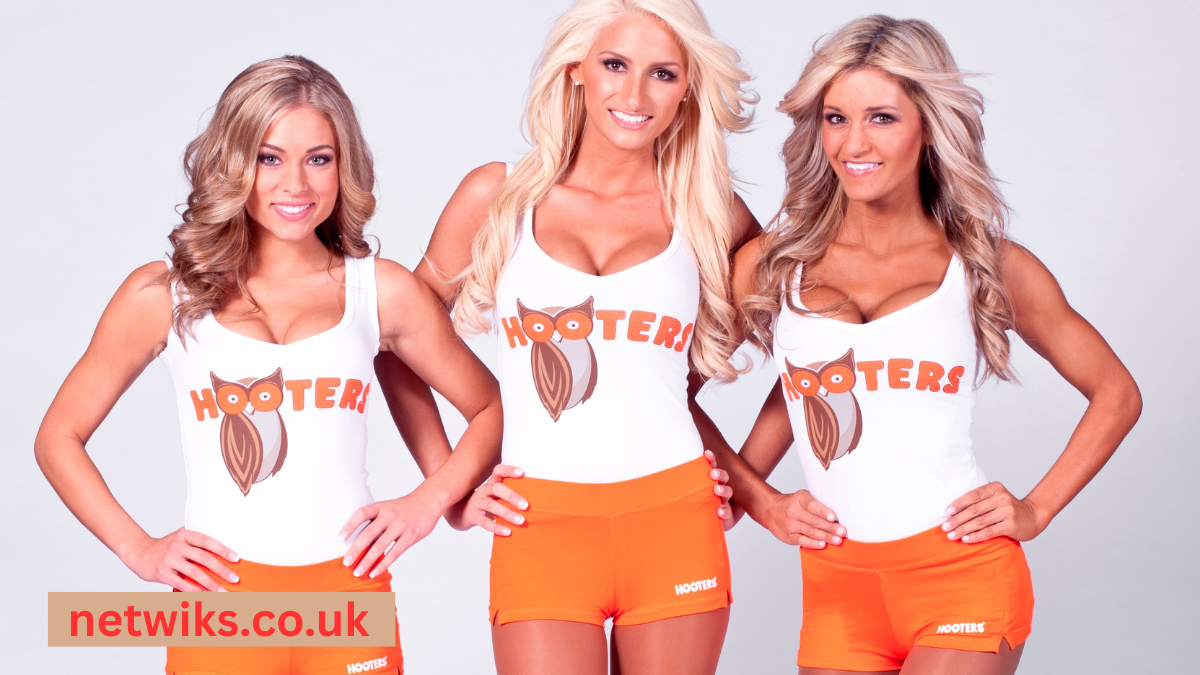
The original hooters new uniform associated with Hooters was designed in the 1980s and quickly became a defining part of the brand’s identity. Featuring a simple yet bold combination of fitted tops and orange shorts, the uniform was intended to reflect a fun, beach-inspired aesthetic that aligned with the restaurant’s casual dining concept. Over time, this outfit became iconic, helping the brand achieve global recognition and cultural relevance far beyond the food industry itself.
As the restaurant expanded internationally, small adjustments were made to the uniform to suit different markets and evolving fashion trends. These modifications included changes in fabric quality, slight redesigns for comfort, and seasonal variations to accommodate climate differences. However, the core visual identity remained largely unchanged, as it was considered essential to maintaining brand recognition. The uniform essentially became a marketing tool as much as a workplace outfit.
Uniform changes in a brand like Hooters carry significant weight because they directly influence customer expectations and brand perception. For many customers, the uniform is inseparable from the dining experience itself. As a result, even minor updates can spark conversation and curiosity. This background helps explain why the recent discussions about the “Hooters new uniform” have gained so much traction online and in media coverage.
Hooters New Uniform: What Has Changed?
The latest updates to the Hooters uniform reflect a more modern approach to design and functionality while preserving the brand’s core identity. In the case of Hooters, the redesign focuses on refining the fit, improving fabric quality, and making subtle aesthetic adjustments that align with contemporary hospitality trends. The goal is not to completely reinvent the uniform but to enhance it in ways that support both employee comfort and brand consistency.
One of the most noticeable aspects of the “Hooters new uniform” is the improved tailoring and material selection. The updated version reportedly uses more flexible and breathable fabrics, allowing staff to move more comfortably during long shifts. Small design refinements, such as adjusted waistlines, updated stitching, and improved durability, contribute to a more practical working outfit. While the overall look remains familiar, the details reflect a shift toward functionality.
In addition to physical improvements, branding elements have also been subtly refined. The placement of logos, color tones, and finishing details have been adjusted to maintain a fresh and cohesive visual identity across locations. These changes ensure that the uniform feels updated without straying too far from the traditional image that customers recognize. This careful balance between innovation and tradition is a key reason why the redesign has become a major talking point.
Public and Employee Reactions to the Hooters New Uniform
The public reaction to the updated uniform at Hooters has been a mix of curiosity, nostalgia, and debate. On social media platforms, discussions about the “Hooters new uniform” have quickly gone viral, with users sharing opinions ranging from appreciation of the modernized look to criticism over changes to a long-standing icon. This level of engagement highlights how deeply embedded the brand’s image is in popular culture.
Employees have also contributed valuable perspectives on the redesign. For many staff members, comfort and practicality are among the most important factors in any uniform change. Reports suggest that the updated design offers improved mobility and better fabric performance, which can make a significant difference during busy shifts. However, as with any workplace change, reactions vary depending on personal preference, work environment, and individual experience.
Customers, on the other hand, tend to focus more on the visual and experiential aspects of the uniform. For some, the update adds a sense of freshness and modernization to the dining experience. For others, it raises questions about how far the brand should evolve while maintaining its recognizable identity. This blend of opinions demonstrates that uniform changes are not just operational decisions—they are cultural signals that influence how a brand is perceived.
Marketing Strategy Behind the Uniform Change
From a marketing perspective, the introduction of the “Hooters new uniform” at Hooters can be seen as part of a broader strategy to keep the brand relevant in a competitive hospitality landscape. Restaurants today must continuously evolve to meet changing consumer expectations, and visual identity plays a major role in that process. Updating the uniform allows the brand to signal modernization without altering its core concept.
Another key factor is media visibility. Uniform changes often generate organic publicity, especially when the brand already has strong cultural recognition. Discussions, debates, and social media reactions contribute to increased engagement, effectively turning the uniform update into a marketing event. This type of attention can be valuable for maintaining relevance and attracting new audiences, particularly younger demographics who engage heavily with online trends.
In addition to visibility, the redesign also supports internal business goals such as employee satisfaction and retention. Comfortable and functional uniforms can improve workplace morale, which indirectly affects customer service quality. When employees feel more comfortable, their performance often improves, which benefits the overall customer experience. In this way, the uniform update serves both external branding and internal operational purposes.
Conclusion
The “Hooters new uniform” represents more than just a visual update; it reflects the ongoing evolution of Hooters as it adapts to modern expectations in the hospitality industry. While the brand remains rooted in its original identity, the updated uniform demonstrates a clear effort to balance tradition with innovation. This balance is essential for maintaining relevance in a fast-changing market where customer preferences and workplace standards continue to evolve.
Ultimately, the response to the new uniform highlights how deeply branding elements can influence public perception. Whether viewed as a positive modernization or a departure from tradition, the update has successfully sparked conversation and renewed interest in the brand. As the hospitality industry continues to change, such adaptations will likely remain an important part of how companies like Hooters position themselves for the future.