





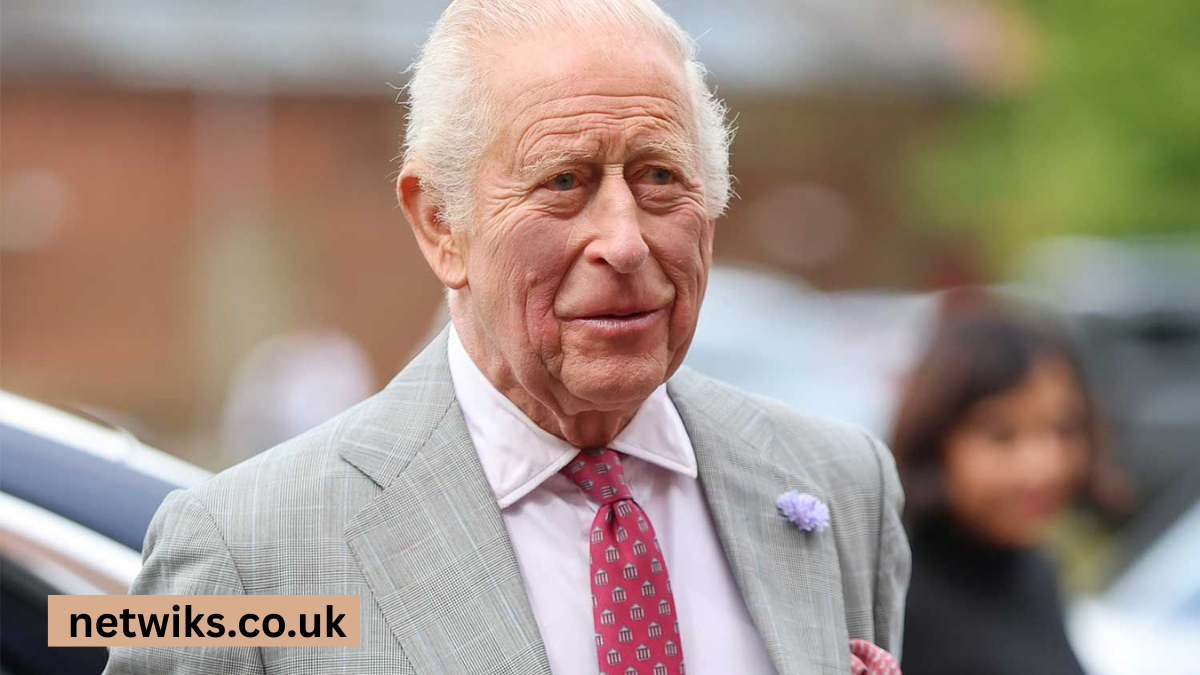
The topic of King Charles Health has drawn significant global attention, reflecting the enduring public interest in the wellbeing of King Charles III. As the reigning monarch of the United Kingdom and head of the Commonwealth, his health is not only a private matter but also one that carries constitutional, political, and cultural importance. Whenever there are updates regarding his condition, they quickly become international headlines, shaping discussions across media platforms and public forums.
In modern constitutional monarchies, transparency is often balanced with privacy, especially when it comes to senior royal figures. King Charles, due to his age and responsibilities, naturally attracts scrutiny regarding his physical wellbeing. However, official communications from Buckingham Palace typically remain carefully measured, offering limited but essential updates.
This article explores verified information, general health considerations, and the broader implications of King Charles’s health on his royal duties. It also examines public reaction, lifestyle factors, and how the monarchy prepares for continuity. By focusing on factual reporting and structured analysis, readers gain a clearer understanding of the situation without relying on speculation or rumor-driven narratives.
Background of King Charles Health History
The health background of King Charles III has long been characterized by a relatively active and disciplined lifestyle. Throughout his earlier years as Prince of Wales, he maintained a busy schedule filled with public engagements, environmental advocacy work, and royal duties. His routine was often described as structured, with an emphasis on outdoor activities, particularly gardening, walking, and countryside living. These habits contributed to a generally stable public health profile over the years.
Like many individuals in later adulthood, age-related considerations have naturally become more relevant. While no consistent public record has indicated severe long-term illness in the past, occasional medical checkups and brief health-related pauses in his schedule have been reported over time. These instances are common among senior public figures and are typically handled discreetly by royal medical teams.
Historically, the British monarchy has maintained a careful balance between transparency and privacy regarding health matters. Unlike political offices, the monarchy is symbolic, meaning that personal wellbeing often intersects with national interest. As such, even minor health updates regarding King Charles III tend to attract public attention. This long-standing sensitivity highlights why discussions around King Charles Health continue to be a subject of global curiosity and media focus.
Recent Updates on King Charles Health
Recent discussions around King Charles Health have largely stemmed from official statements issued by Buckingham Palace and carefully reported public appearances. These updates generally confirm that the King continues to carry out his constitutional responsibilities while managing his health under professional medical supervision. However, specific medical details are typically not disclosed, in line with royal privacy protocols.
Public engagements remain one of the most visible indicators of his wellbeing. When King Charles appears at official ceremonies, diplomatic meetings, or charity events, observers often analyze his stamina, mobility, and overall presentation. While such observations may fuel media commentary, they do not necessarily reflect medical realities. It is important to distinguish between verified information and speculative interpretation.
Media coverage often amplifies even minor scheduling adjustments, sometimes leading to widespread discussion. However, official royal communications remain the most reliable source of information. The monarchy has consistently emphasized continuity, ensuring that duties are fulfilled by other senior royals when necessary, without disruption to state functions.
Overall, while public curiosity remains high, confirmed updates suggest a managed and stable approach to health monitoring. The emphasis is on ensuring that King Charles III remains able to perform his role effectively, with appropriate medical care and adjustments where required.
Impact of King Charles Health on Royal Duties
The health of a reigning monarch naturally influences the structure and rhythm of royal responsibilities. In the case of King Charles III, any adjustments to workload are carefully managed to ensure continuity of governance and ceremonial obligations. The British monarchy is designed with resilience in mind, allowing duties to be delegated when necessary without affecting constitutional stability.
Senior members of the royal family play an important role in supporting official engagements. This includes attending state events, representing the Crown internationally, and participating in charitable initiatives. Such delegation ensures that the monarchy remains active even if the King reduces his personal workload temporarily.
From a constitutional perspective, the health of the monarch does not directly alter the functioning of the government, as the UK operates under a parliamentary system. However, symbolic leadership remains crucial, and public appearances by the King contribute significantly to national identity and diplomatic presence.
In practice, adjustments due to health considerations are handled discreetly. Changes in scheduling are rarely framed as limitations but rather as organizational decisions. This approach helps maintain public confidence while respecting the privacy of King Charles III.
Public and Global Reactions to King Charles Health
Public interest in King Charles Health reflects the deep cultural connection many people have with the British monarchy. Across the United Kingdom and Commonwealth nations, citizens often express concern, support, and curiosity whenever health-related news emerges. This emotional engagement highlights the symbolic importance of the monarch beyond political function.
Media coverage plays a significant role in shaping public perception. News outlets frequently analyze official statements, public appearances, and historical context to provide commentary. Social media platforms further amplify these discussions, sometimes blending factual reporting with speculation, which can create confusion.
Despite this, there is also a strong tradition of respect for royal privacy. Many members of the public acknowledge the importance of allowing the King space to manage personal health matters without excessive intrusion. This balance between interest and respect remains a defining feature of modern royal reporting.
Internationally, updates about King Charles III are often viewed through the lens of diplomatic stability. As head of state for multiple nations, his wellbeing is considered relevant not only in the UK but also across the Commonwealth framework.
Medical Care, Lifestyle, and Wellness Approach
The healthcare approach for King Charles III reflects the highest standards of medical support available to senior public figures. While specific details are not publicly disclosed, it is widely understood that he receives regular medical supervision and preventive care. This ensures that any potential health concerns are addressed early and effectively.
Lifestyle factors also play an important role in maintaining wellbeing. King Charles has long been associated with environmental awareness, organic farming, and a preference for natural living. These interests align with broader wellness practices such as balanced diet, moderate physical activity, and time spent outdoors.
Stress management is another important consideration given the demands of royal duties. Public engagements, international travel, and ceremonial obligations require significant energy and coordination. As such, structured schedules and support systems are essential in maintaining long-term health stability.
Overall, the approach combines medical expertise with lifestyle discipline, ensuring that King Charles III can continue fulfilling his responsibilities effectively.
Future Outlook for King Charles Health
Looking ahead, discussions about King Charles Health are likely to remain a consistent topic of public interest. As he continues his reign, ongoing monitoring and adaptive scheduling will play a key role in maintaining balance between duty and wellbeing.
From a constitutional standpoint, the monarchy is designed to ensure stability regardless of individual circumstances. This means that any future health-related adjustments will not disrupt the functioning of government or national institutions. Instead, responsibilities can be redistributed within the royal family as needed.
Public expectations are also evolving, with increasing emphasis on transparency, yet continued respect for privacy. The monarchy’s ability to manage this balance will remain important in shaping its modern image.
Ultimately, the long-term outlook depends on a combination of medical care, lifestyle choices, and institutional support, all of which contribute to sustaining the role of King Charles III in the years ahead.
Conclusion
The topic of King Charles Health continues to attract widespread attention due to the unique role he holds as monarch. While public interest remains high, verified information suggests a carefully managed approach focused on stability, privacy, and continuity. The monarchy’s structured system ensures that duties are maintained effectively, even when adjustments are required.
By understanding the balance between health, duty, and public expectation, it becomes clear that the institution remains resilient. King Charles III’s role continues to evolve within a framework designed to support both personal wellbeing and national responsibility.