





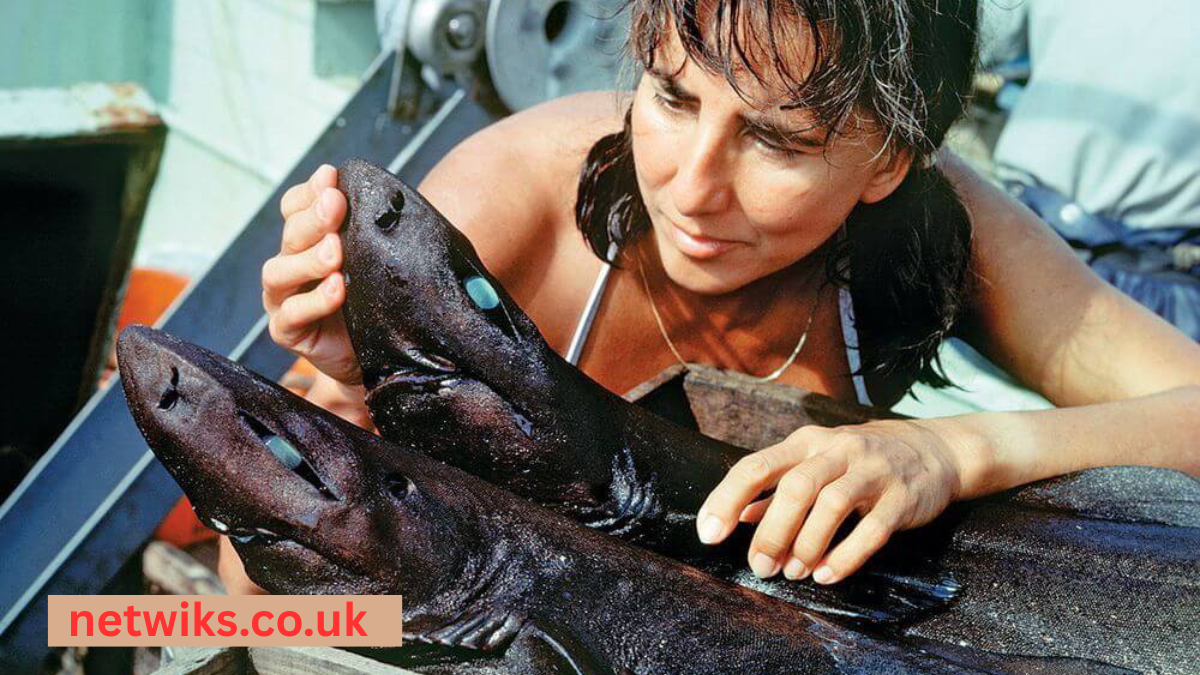
Famous marine biologists have played a transformative role in shaping our understanding of the oceans, which cover more than 70% of the Earth’s surface yet remain largely unexplored. The keyword famous marine biologists refers to the scientists whose groundbreaking research, adventurous exploration, and environmental advocacy have revealed the hidden complexity of marine ecosystems. From microscopic plankton to massive whales, their work has helped humanity understand how ocean life supports global biodiversity and regulates climate systems. Without their dedication, much of what we know today about marine environments would still be a mystery.
Marine biology is not just a scientific discipline; it is a bridge between humanity and one of the planet’s most vital ecosystems. Famous marine biologists have contributed to this field by studying coral reefs, deep-sea organisms, ocean currents, and marine food chains. Their discoveries have also highlighted the fragility of marine ecosystems, especially in the face of pollution, overfishing, and climate change. Through research stations, ocean expeditions, and underwater technologies, they have expanded scientific knowledge and inspired conservation efforts worldwide.
The importance of marine biology continues to grow as the oceans face increasing threats. Rising sea temperatures, plastic pollution, and habitat destruction have made the work of marine scientists more critical than ever. Famous marine biologists not only study these changes but also advocate for sustainable practices that protect marine life for future generations. Their contributions extend beyond laboratories and research vessels—they influence environmental policy, education, and global awareness.
Ultimately, the study of marine biology is a journey into the unknown. Famous marine biologists serve as explorers of an underwater world that is still full of mysteries. Their legacy continues to inspire new generations of scientists who are passionate about uncovering the secrets of the deep sea and preserving its beauty for the future.
The Evolution of Marine Biology as a Scientific Discipline
The history of marine biology dates back to ancient civilizations that relied on the sea for food, trade, and exploration. Early philosophers and naturalists observed marine life but lacked the tools to study it in detail. Over time, curiosity about ocean ecosystems grew, leading to more structured scientific inquiry. The rise of famous marine biologists can be traced to this growing interest in understanding the sea not just as a resource, but as a complex living system. Early marine studies laid the foundation for modern oceanography and ecological science.
During the Age of Exploration, European scientists began documenting marine species encountered during voyages. This period marked a turning point in marine science, as specimens were collected and classified systematically. Later, advancements in microscopy allowed scientists to observe microorganisms in seawater, revealing an entirely new dimension of marine life. These discoveries expanded the scope of marine biology and set the stage for more specialized research fields such as marine ecology and oceanography.
By the 19th and 20th centuries, marine biology had evolved into a formal scientific discipline supported by research institutions and oceanographic expeditions. Famous marine biologists began using submarines, sonar systems, and deep-sea diving equipment to explore previously unreachable depths. These technological advancements revolutionized the study of marine environments, enabling scientists to observe organisms in their natural habitats rather than only in samples brought to the surface.
Today, marine biology continues to evolve rapidly with the help of satellites, robotics, and genetic analysis. The contributions of early pioneers have made it possible for modern scientists to study climate change, ocean acidification, and biodiversity loss on a global scale. The evolution of marine biology reflects humanity’s growing awareness of the ocean’s importance to life on Earth.
Legendary Famous Marine Biologists and Their Contributions
Among the most influential famous marine biologists in history is Rachel Carson, whose groundbreaking work brought attention to the delicate balance of marine ecosystems. Her writings emphasized the interconnectedness of all life forms and warned against the dangers of chemical pollution in oceans and waterways. Carson’s work not only influenced marine science but also sparked the modern environmental movement, making her one of the most impactful scientific voices of the 20th century.
Another legendary figure is Jacques Cousteau, who revolutionized ocean exploration through innovation and storytelling. As the co-inventor of the Aqua-Lung, Cousteau made underwater exploration accessible to scientists and filmmakers alike. His documentaries introduced millions of people to the beauty of marine life and the importance of ocean conservation. Cousteau’s work helped bridge the gap between science and public awareness, making marine biology a subject of global interest.
Equally influential is Sylvia Earle, known for her deep-sea exploration and advocacy for ocean preservation. Earle has led numerous underwater expeditions and has spent thousands of hours in submerged habitats studying marine ecosystems. Her research highlights the urgent need to protect marine biodiversity and establish marine protected areas. She continues to inspire new generations of scientists, especially women in STEM fields.
Another important contributor is Ed Ricketts, whose studies of intertidal ecosystems helped shape ecological thinking. Ricketts emphasized the importance of observing organisms within their natural environments rather than isolated conditions. His collaborative work with writers and scientists helped popularize marine ecology and influenced both scientific and literary communities.
Together, these famous marine biologists have shaped modern understanding of ocean life. Their discoveries, innovations, and advocacy efforts continue to influence marine science, environmental policy, and global conservation initiatives.
Modern Marine Biology: Research, Technology, and Challenges
Modern marine biology has entered an era defined by advanced technology and global collaboration. Today’s famous marine biologists use tools such as autonomous underwater vehicles, satellite imaging, and artificial intelligence to study ocean systems in unprecedented detail. These technologies allow scientists to track marine species, monitor coral reef health, and analyze ocean currents with high precision. As a result, marine biology has become one of the most technologically advanced fields in environmental science.
One of the most significant areas of modern research is climate change and its impact on marine ecosystems. Rising ocean temperatures are causing coral bleaching, altering migration patterns, and threatening biodiversity. Marine biologists are working to understand these changes and develop strategies to mitigate their effects. Their research is critical for shaping global environmental policies and ensuring the long-term sustainability of ocean resources.
Despite technological advancements, marine biologists face several challenges. Funding limitations, political barriers, and the vastness of the oceans make research difficult. Additionally, pollution from plastics and industrial waste continues to damage marine ecosystems at an alarming rate. Famous marine biologists often advocate for stricter environmental regulations and increased public awareness to address these issues.
Looking toward the future, marine biology is expected to become even more interdisciplinary, combining genetics, data science, and environmental engineering. The continued work of marine scientists will be essential in discovering new species, protecting endangered ecosystems, and ensuring the health of the world’s oceans.
Conclusion: The Lasting Impact of Famous Marine Biologists
The legacy of famous marine biologists is deeply embedded in our understanding of the natural world. Their discoveries have revealed the complexity, beauty, and fragility of marine ecosystems, transforming how humanity views the ocean. From early exploration to modern scientific breakthroughs, their contributions have shaped marine biology into a vital field of environmental science.
As ocean threats continue to grow, the work of marine biologists becomes increasingly important. They not only study marine life but also act as guardians of the oceans, advocating for conservation and sustainability. Their research informs global policies and inspires collective action to protect marine environments.
Ultimately, famous marine biologists remind us that the ocean is not just a resource but a living system essential to life on Earth. Their work continues to inspire curiosity, responsibility, and hope for a healthier planet.